
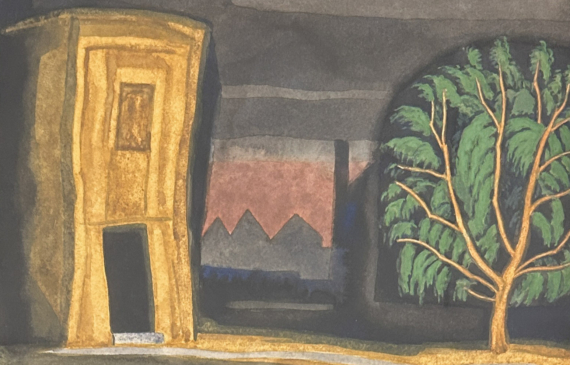
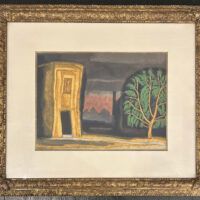
Oscar Bluemner (American, 1867-1938)
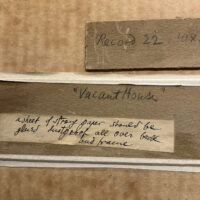
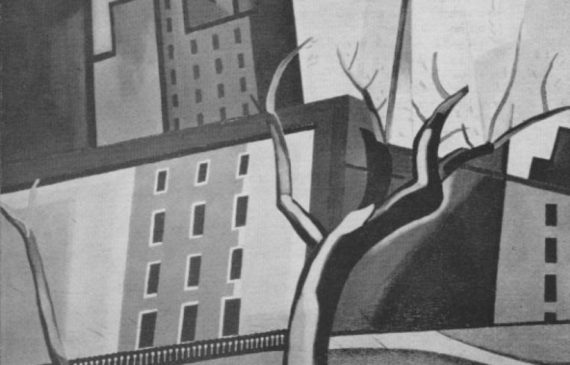
Vacant House, circa 1924
Watercolor on paper
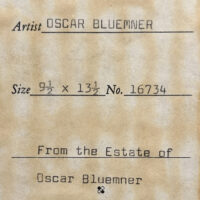
Paper size: 9 ½ H. x 13 ½ W. inches
Sight size: 9 ⅜ H. x 12 ½ W. inches
Signed lower left: OFBluemner (artist’s cipher)
The artist
Estate of the artist
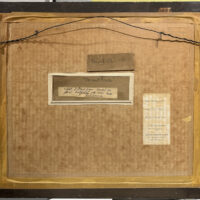
James Graham and Sons, New York, 1967
Private collection, California
Exhibited:
Oscar F. Bluemner Retrospective Exhibition, James Graham & Sons, New York, November 15 – December 10, 1956, no. 27
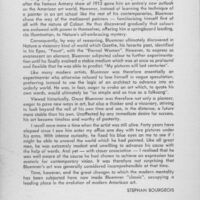

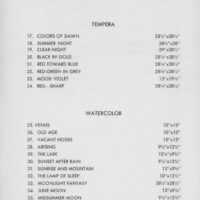
Oscar F. Bluemner Retrospective Exhibition
November 15 – December 10, 1956
James Graham & Sons, New York
View more information about the exhibition here
SOLD
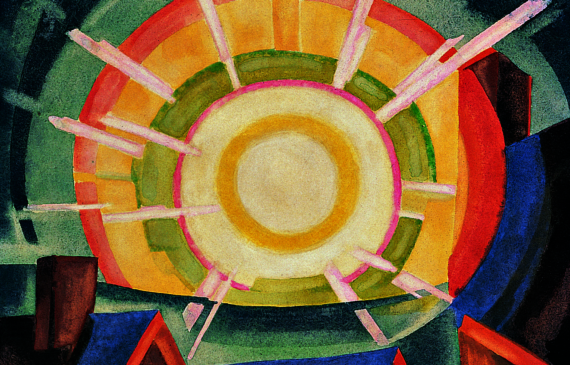
Oscar Bluemner (American, 1867-1938)
Arising, 1927
Watercolor and pencil on paper, mounted on fiberboard
9 ½ H. x 12 ½ W. inches
Collection of the Hirshhorn Museum
Provenance:
The artist
Estate of the artist
James Graham and Sons, New York, 21 April 1959
Joseph H. Hirshhorn, New York
Gift of Joseph H. Hirshhorn to the Hirshhorn Museum, 1966
SOLD
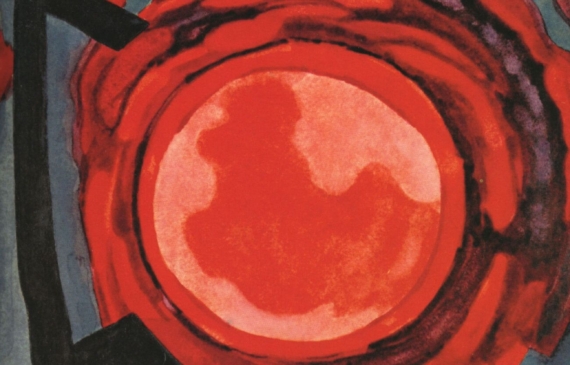
Oscar Bluemner (American, 1867-1938)
Eye of Fate, 1927
Watercolor on paper
13 H. x 10 W. inches
Collection of the Museum of Modern Art,
gift of James Graham & Sons
SOLD
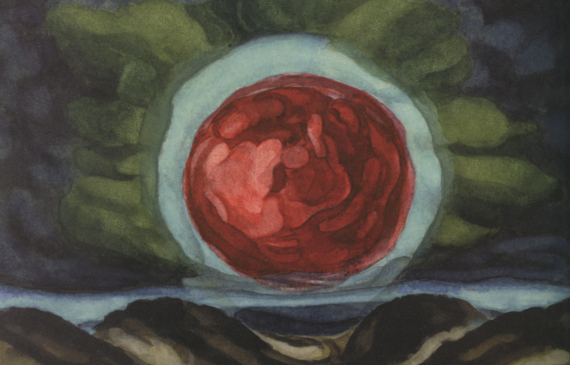
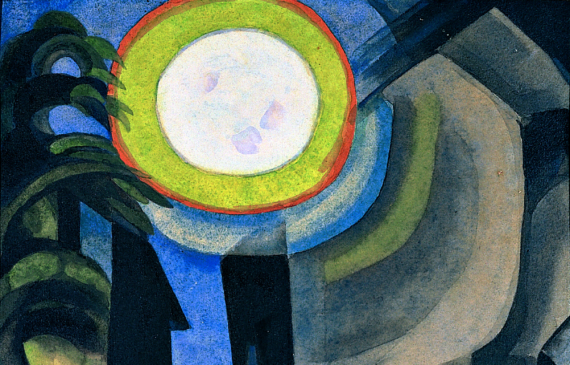
Oscar Bluemner (American, 1867-1938)
Sun Storm, 1927
Watercolor on paper
10 H. x 13 W. inches
Collection of the Museum of Modern Art,
gift of James Graham & Sons
SOLD
Oscar Bluemner (American, 1867-1938)
Silver Moon, 1927
Watercolor on paper
12 ¾ H. x 9 ½ W. inches
Private collection
Oscar Bluemner was born in Germany and first exhibited his artwork, a series of portraits, in Berlin at the age of eighteen. In 1892 Bluemner left Europe for the United States. Upon arriving in Chicago he was enlisted to produce designs for the World’s Columbian Exposition. He intended to become an architect, not a painter, but after failing to find success in Chicago and then in New York, he turned to his first love: art. Bluemner spent years obsessively sketching from nature in and around Long Island and New Jersey. In 1910, he met Alfred Stieglitz, who helped solidify him in his artistic career. In a letter written by Stieglitz to Bluemner in January 1919, Stieglitz sums up the power Bluemner’s images inevitably convey: “The work is virile – it’s your own – and it’s damn good.”
After exhibiting in the 1913 Armory Show, Stieglitz gave Bluemner a one-man show at his gallery 291, where he exhibited regularly until 1928, among exhibitions at numerous other New York galleries during his lifetime. Bluemner’s work can be found in the collections of the National Gallery of Art, Whitney Museum of American Art, Metropolitan Museum of Art, Brooklyn Museum, the Phillips Collection, the Newark Museum, among others.